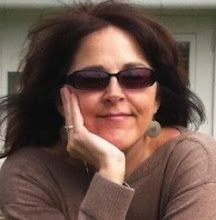
We walk the plank over a quiet, murky water and onto a hulking barge where drinks are being served, where music thrums from two hefty speakers suspended from the ceiling. The sun is yielding to the lustiness of evening, and I feel hungry for a certain potency tonight.
We find a tall table by the railing and I hoist myself up on the stool. The tall man sits with ease in a chair his own size. I look around at the other tables—to the people collected like beads around the bar—and across the river to the hills beyond. It’s been sixteen years since I last lived here. A different life then: me and my books, me and my future displayed like assorted chocolates in a fancy box—each with the promise of sweetness ready to explode on my tongue. I made my selections and tasted many good things…
Tonight, though, I am a different woman, sitting across from an unexpected man. We order two drinks from a dewy waitress with a Kool-Aid smile. I envy her her youth, all her choices yet to come. When she returns with two tall glasses, a lime draped over each rim, I want to tell her to take her time with things. To go slow, even when she’s in a hurry. To look in the mirror and enjoy what she sees. It will all come too quickly: this. But of course I say none of this to her as she smiles and lifts each chilled drink from her tray onto our table. And she is off to please the next table, sate them with drinks, with charcoaled burgers and baskets of hot wings. It is after all a summer night here on the barge.
Sixteen years ago I did not understand that change was coming. I saw only my days as they revealed themselves. I read and wrote and cooked and walked the cobblestone streets at night and felt the town’s history. I never wanted to leave. Thought my life would gently makes its way along, like a scroll being unrolled along each of those antique streets. I’d wear my hat and scarf in winter, the snow crunching beneath my boots, stopping for cake and tea in the warm basement café. I’d bike those same streets in the fever of summer, the muscles in my legs like loaded springs. I saw the seasons unfold in the trees, in the windows of the stores, in the voices on the street. And it was good enough for me.
But that is simple in a way that life is not. And so I took things from the walls and put them in boxes; stood naked before the bay window overlooking the plaza; said goodbye to two old Jewish brothers who owned the liquor store around the corner—and as they patted my hand and wished me well, I saw for the last time the tattooed numbers stamped along their bony wrists... And I was gone.
Change has come in many ways. Including this barge that rests—tightly tethered to the grassy banks—along the Hudson River. And up the street, a fancy catacomb bar reminiscent of Poe’s Amontillado, of his Fortunato. But down where I once lived is a lapsed neighborhood—those old whispering buildings: Silenced. Blinded. Empty. Cars tires clicking along the cobblestone, headed to the colorless suburbs. My two old friends and their liquor store: gone. But I’m back and I want to remember and I want to be remembered. I look around at the vigorous faces of the crowd collected here on a Friday night on a barge tethered to the quiet downtown banks of a place I once loved—and that once loved me. Yet there is no history here, no face reflecting mine back at me. Not even at this table. The tall man across from me talks of all manner of things as I study his face to find something to hold on to. But I recognize that he has tethered himself as tightly as this barge is harnessed to the banks along the river. I see the thick knotted ropes that hold him steady, keep him secure. Each time he feels their moorings slip, he shores things up with one quick determined tug, so that he—like this barge—does not list, is not rocked by the wake of people passing by. Including me. And so I lift the chilled glass to my lips and drink, while the music fills the space around us, and the unexpected man talks of history, of past, of inconsequential things.
***
Monday, August 10, 2009

Wednesday, August 5, 2009
Home
the 1st
what i remember about that day
is boxes stacked across the walk
and couch springs curling through the air
and drawers and tables balanced on the curb
and us, hollering,
leaping up and around
happy to have a playground;
nothing about the emptied rooms
nothing about the emptied family
--Lucille Clifton
I am picking my way over a crumbling sidewalk on a hot muggy day, on my way to jury duty this morning, when I pass by a blighted brick building with sheets of metal blinding all the windows. Above the front door is a bold white sign that announces the coming of lovely new condos. Luxury living, the sign asserts. And I can’t help wonder what that means, and how they will deliver on their promise. I want to live luxuriously, comforted at night by expensive sheets, filtered air, a master bath beckoning just off the corner of the bedroom. But of course that is luxury defined in simple terms. I want to live luxuriously in other ways, too, but I’m not sure this decayed building, even when it emerges from its makeover, can give me that. Assuming of course that I could afford one of these luxury condos, which I very likely cannot.
I live around lots of wealthy people, and sometimes I grow tired of being poor. And sometimes I like being just where I am. And sometimes—like when I’m volunteering at the food pantry—I feel rich indeed. Filthy, undeservingly, rich. So I suppose it’s all a matter of perspective.
But either way, don’t get on your high horse and tell me about the immateriality of material things. You who don’t know want. I, on the other hand, know what it’s like to be without. Without a roof, without bread, without the comfort of coins jingling in my empty pocket.
So it was a hot and muggy day, very similar to this one, when we went barreling down the highway, certain that he was going to appear like some half-crazed madman bearing down on us in his blue Chevrolet. Ah, but we were young, my two brothers and I—just children—and we hadn’t yet learned that people only chase after what’s worth having. And we were not that for him. And so we barreled down the highway, crying in the backseat, terrified, without any idea of where we were headed. After my father left for work that morning, my mother told us to get dressed quickly and no horsing around. She was jittery, her movements sudden. As my brother and I tugged on our clothes, with the pulse of our hearts throbbing in our ears, my mother came in to extract the suitcase she had hidden under the bed; I was surprised to learn it had been there all along. The baby slept in the crib next to our bed, the window above his crib draped with a pink bath towel. You can each pick out two things to take with you, she said. And that’s it. Put them in here. And be quick about it. And so we did, selecting two things each from our scant pile of treasures. I don’t remember what I took, my choices lost to other terrors. Even though we didn’t know where we were going, my brother and I knew we weren’t coming back...
And then a woman who owed my mother money for babysitting showed up in our kitchen. She too was skittish and kept looking behind her toward the door, kept bending over to search for approaching ankles along the window of our basement apartment. She too did not understand desire: he wasn’t coming back. Later we’d learn that my mother bartered a ride back to that sleepy cold town, back to the housing project where Janie was waiting. She had $1.49 in her purse. That’s it. And three kids. And a half a pack of Tarreytons.
Still, those were the good days, those first few months. Because before that, we also went hungry--but our stomachs growled at night to the sound of my father’s raging and my mother’s screams beyond our bedroom door. Once we got to Janie’s, there was only our rumbling bellies against the hum of TV static after the channels went off the air. He showed up once—about a week after we arrived—to plead his case, Janie slowly sweeping the living room floor as he and my mother talked and I lurked in the hallway. He threatened to put my mother away, which terrified me, but only for a minute because Janie rested one ample elbow on her broom and said with a quiet sigh: you’re not taking her anywhere. And because he wasn’t all that committed to the idea anyway, he was easily dissuaded. Besides, most people knew enough not to mess with Janie and her broom—even a fool like him.
But then shit happened because shit always happens: somebody squealed. Might have been one of Janie’s three kids, I don't know. We were, after all, taking up space in a place where there wasn’t enough of it, our gaping mouths devouring what they needed for themselves. The housing manager said, Get Out. Or else. And my mother figured it was better to have one woman and three homeless children than two women and six homeless children, and so we beat it out of there quick.
It was snowing, I remember. Cotton ball size flakes falling from an ashen sky, blanketing the supermarket parking lot in white, the parked cars becoming muted white hills in a cold white landscape. My brothers and I sat like three small bags of sticky white trash on the bench by the exit while my mother dropped dimes into the payphone. I eyed the heaping shopping carts of food rolling by in front of us—people gearing up for a blizzard—and watched my mother from the corner of my eye. She put the heavy black phone back in the cradle and slumped against the supermarket wall.
I had noticed the woman in the dark green parka observing us from the checkout line, and she made her way over to my mother... Then out to her car, where, after she brushed off the snow from the windshield outside, we rode in silence to a vacant old house she owned on the other side of the bridge. We got deposited, along with several bags of groceries, on the sagging front porch. Inside, the house was unheated, with two rusty spaces--like missing teeth--cut into the kitchen counter where the stove and refrigerator used to be. But it was luxury living that cold winter day—right there on East 3rd Street—without the bold white sign over the front door. And we made do, which make-doers like us are always quite good at. Wearing coats and hats to bed—all four of us together—on a fold-out couch in the living room. Milk and eggs on the back porch, when we could get them. Food warmed on a hot plate. And still my brother and I would run and slide over the empty hardwood floors in our socks, like world class skaters, like kids living a luxurious life. Happy in our luxury living. Happy to be in that big old drafty house on a quiet street in the darkest month of winter.
***
what i remember about that day
is boxes stacked across the walk
and couch springs curling through the air
and drawers and tables balanced on the curb
and us, hollering,
leaping up and around
happy to have a playground;
nothing about the emptied rooms
nothing about the emptied family
--Lucille Clifton
I am picking my way over a crumbling sidewalk on a hot muggy day, on my way to jury duty this morning, when I pass by a blighted brick building with sheets of metal blinding all the windows. Above the front door is a bold white sign that announces the coming of lovely new condos. Luxury living, the sign asserts. And I can’t help wonder what that means, and how they will deliver on their promise. I want to live luxuriously, comforted at night by expensive sheets, filtered air, a master bath beckoning just off the corner of the bedroom. But of course that is luxury defined in simple terms. I want to live luxuriously in other ways, too, but I’m not sure this decayed building, even when it emerges from its makeover, can give me that. Assuming of course that I could afford one of these luxury condos, which I very likely cannot.
I live around lots of wealthy people, and sometimes I grow tired of being poor. And sometimes I like being just where I am. And sometimes—like when I’m volunteering at the food pantry—I feel rich indeed. Filthy, undeservingly, rich. So I suppose it’s all a matter of perspective.
But either way, don’t get on your high horse and tell me about the immateriality of material things. You who don’t know want. I, on the other hand, know what it’s like to be without. Without a roof, without bread, without the comfort of coins jingling in my empty pocket.
So it was a hot and muggy day, very similar to this one, when we went barreling down the highway, certain that he was going to appear like some half-crazed madman bearing down on us in his blue Chevrolet. Ah, but we were young, my two brothers and I—just children—and we hadn’t yet learned that people only chase after what’s worth having. And we were not that for him. And so we barreled down the highway, crying in the backseat, terrified, without any idea of where we were headed. After my father left for work that morning, my mother told us to get dressed quickly and no horsing around. She was jittery, her movements sudden. As my brother and I tugged on our clothes, with the pulse of our hearts throbbing in our ears, my mother came in to extract the suitcase she had hidden under the bed; I was surprised to learn it had been there all along. The baby slept in the crib next to our bed, the window above his crib draped with a pink bath towel. You can each pick out two things to take with you, she said. And that’s it. Put them in here. And be quick about it. And so we did, selecting two things each from our scant pile of treasures. I don’t remember what I took, my choices lost to other terrors. Even though we didn’t know where we were going, my brother and I knew we weren’t coming back...
And then a woman who owed my mother money for babysitting showed up in our kitchen. She too was skittish and kept looking behind her toward the door, kept bending over to search for approaching ankles along the window of our basement apartment. She too did not understand desire: he wasn’t coming back. Later we’d learn that my mother bartered a ride back to that sleepy cold town, back to the housing project where Janie was waiting. She had $1.49 in her purse. That’s it. And three kids. And a half a pack of Tarreytons.
Still, those were the good days, those first few months. Because before that, we also went hungry--but our stomachs growled at night to the sound of my father’s raging and my mother’s screams beyond our bedroom door. Once we got to Janie’s, there was only our rumbling bellies against the hum of TV static after the channels went off the air. He showed up once—about a week after we arrived—to plead his case, Janie slowly sweeping the living room floor as he and my mother talked and I lurked in the hallway. He threatened to put my mother away, which terrified me, but only for a minute because Janie rested one ample elbow on her broom and said with a quiet sigh: you’re not taking her anywhere. And because he wasn’t all that committed to the idea anyway, he was easily dissuaded. Besides, most people knew enough not to mess with Janie and her broom—even a fool like him.
But then shit happened because shit always happens: somebody squealed. Might have been one of Janie’s three kids, I don't know. We were, after all, taking up space in a place where there wasn’t enough of it, our gaping mouths devouring what they needed for themselves. The housing manager said, Get Out. Or else. And my mother figured it was better to have one woman and three homeless children than two women and six homeless children, and so we beat it out of there quick.
It was snowing, I remember. Cotton ball size flakes falling from an ashen sky, blanketing the supermarket parking lot in white, the parked cars becoming muted white hills in a cold white landscape. My brothers and I sat like three small bags of sticky white trash on the bench by the exit while my mother dropped dimes into the payphone. I eyed the heaping shopping carts of food rolling by in front of us—people gearing up for a blizzard—and watched my mother from the corner of my eye. She put the heavy black phone back in the cradle and slumped against the supermarket wall.
I had noticed the woman in the dark green parka observing us from the checkout line, and she made her way over to my mother... Then out to her car, where, after she brushed off the snow from the windshield outside, we rode in silence to a vacant old house she owned on the other side of the bridge. We got deposited, along with several bags of groceries, on the sagging front porch. Inside, the house was unheated, with two rusty spaces--like missing teeth--cut into the kitchen counter where the stove and refrigerator used to be. But it was luxury living that cold winter day—right there on East 3rd Street—without the bold white sign over the front door. And we made do, which make-doers like us are always quite good at. Wearing coats and hats to bed—all four of us together—on a fold-out couch in the living room. Milk and eggs on the back porch, when we could get them. Food warmed on a hot plate. And still my brother and I would run and slide over the empty hardwood floors in our socks, like world class skaters, like kids living a luxurious life. Happy in our luxury living. Happy to be in that big old drafty house on a quiet street in the darkest month of winter.
***
Thursday, July 30, 2009
Rock n'Roll Girl
Tonight I lie atop a bed with a blue flowered quilt, under a blinded window, and I’m listening to a young Van in my headphones. Irish storytelling, Irish scat, Irish famine, all wrapped up in Van’s poetics champions compose, his TB sheets, his Astrial Weeks. His is the voice I return to time and again when life wants to throw a few punches. And then when she was murdered and he hung himself, we stood, unknowing, before a diminutive Van onstage at Tanglewood—he in a brown polyester suit—and we sang his Irish songs under a clear summer night. It was August. We saw Yeats and Joyce that night on the stage, and we sang our joy, took our literature seriously. On the way home—our car windows open to the warm summer night—we had Van in our hearts. We drove with our headlights lighting up the promised highway, the night stars overhead, and the radio alive… Two joyous souls that late night in August, and our Irishman…
When we round Swan Street, we hear the urgent beeping of an answering machine from the open window two stories above. And a note from the police department asking him to call. Two people dead: a woman who loved her son and her propriety; and an elderly intellectual who had made all the decisions. Call your sister, the note reads in the thin metal mailbox. When we get upstairs, the moon looks in on us through the bay window as he dials the phone. I stand shivering and waiting and hearing Van in my head. My father killed my mother and then he killed himself, he says, after his sister had answered the phone… We sit together on the bed and wait for the dawn, too terrified to move. Waiting for the promise of a new day. And we are grateful for Van…
Years later, he would take me to a restaurant in Dublin. We order pints and sit at a small table and talk. And suddenly the table next to us—14 people in all—erupts into song. I lift my glass in joy, and he says, this is what they do. I listen… Shaw, Beckett and Wilde in their ancient voices. In Kilkenny, we stumble into a funeral and make many new friends. Paddy this and Paddy that. And their castles and their stories. Always their stories… Rock n’roll in that way….
And then there’s Paul Westerburg and The Replacements. We owe him a debt of gratitude for so many lines, but mostly for “the ones who love us least are the ones we die to please.” But that excludes too many other things. And the show in Boston—a snooty, racist town—and Paul told them so. Me, the small town girl hitching a ride, who watched the chaos unfold on stage. These were Westerburg’s bastards of young, his unsatisfied, his answering machine, his Tim. And what did I know about that—other than my own misfit, my own stifled language? What I witnessed that night onstage was transformative, was smart. And it changed me—leaving a rundown club on Boston’s southside, sweaty and spent. Alive…
It’s many summers later that I head alone to Irving Plaza where Paul performs solo, an older man and his rock n’roll songs. I am the only woman in the front—and when Paul takes the stage, the crowd begins to vibrate. I am crushed between the weight of euphoric, unleashed men who know all the words to his songs. I am afraid… And then Paul strikes the opening chords of “Unsatisfied,” and I know I can’t possibly get hurt here in this undulating crowd tonight. Because it is only rock n’ roll after all…
And you who do not understand this, so quintessentially American. I’ve seen Richard Pryor, Little Richard, Johnny Johnson, Bill Hicks, Lucille Clifton, the Pretenders, Lucinda Williams, Johnny Cash, and old pipe smoking Clarence Gatemouth Brown himself, perform. And a whole lot of other talented folks, too. Rock n’roll is a sensibility, is art. And some nights it saves us—like me here tonight, alone, in an otherwise quiet room, the night outside filled with unknowable things…
***
When we round Swan Street, we hear the urgent beeping of an answering machine from the open window two stories above. And a note from the police department asking him to call. Two people dead: a woman who loved her son and her propriety; and an elderly intellectual who had made all the decisions. Call your sister, the note reads in the thin metal mailbox. When we get upstairs, the moon looks in on us through the bay window as he dials the phone. I stand shivering and waiting and hearing Van in my head. My father killed my mother and then he killed himself, he says, after his sister had answered the phone… We sit together on the bed and wait for the dawn, too terrified to move. Waiting for the promise of a new day. And we are grateful for Van…
Years later, he would take me to a restaurant in Dublin. We order pints and sit at a small table and talk. And suddenly the table next to us—14 people in all—erupts into song. I lift my glass in joy, and he says, this is what they do. I listen… Shaw, Beckett and Wilde in their ancient voices. In Kilkenny, we stumble into a funeral and make many new friends. Paddy this and Paddy that. And their castles and their stories. Always their stories… Rock n’roll in that way….
And then there’s Paul Westerburg and The Replacements. We owe him a debt of gratitude for so many lines, but mostly for “the ones who love us least are the ones we die to please.” But that excludes too many other things. And the show in Boston—a snooty, racist town—and Paul told them so. Me, the small town girl hitching a ride, who watched the chaos unfold on stage. These were Westerburg’s bastards of young, his unsatisfied, his answering machine, his Tim. And what did I know about that—other than my own misfit, my own stifled language? What I witnessed that night onstage was transformative, was smart. And it changed me—leaving a rundown club on Boston’s southside, sweaty and spent. Alive…
It’s many summers later that I head alone to Irving Plaza where Paul performs solo, an older man and his rock n’roll songs. I am the only woman in the front—and when Paul takes the stage, the crowd begins to vibrate. I am crushed between the weight of euphoric, unleashed men who know all the words to his songs. I am afraid… And then Paul strikes the opening chords of “Unsatisfied,” and I know I can’t possibly get hurt here in this undulating crowd tonight. Because it is only rock n’ roll after all…
And you who do not understand this, so quintessentially American. I’ve seen Richard Pryor, Little Richard, Johnny Johnson, Bill Hicks, Lucille Clifton, the Pretenders, Lucinda Williams, Johnny Cash, and old pipe smoking Clarence Gatemouth Brown himself, perform. And a whole lot of other talented folks, too. Rock n’roll is a sensibility, is art. And some nights it saves us—like me here tonight, alone, in an otherwise quiet room, the night outside filled with unknowable things…
***
Tuesday, July 28, 2009
Trash
I come from a long line of very distinguished French Canadian drunks. That’s it: that’s my claim to heritage and history in a quiet nutshell. And who are you to tell me that’s not a good thing? Or that it’s something I shouldn’t say? We are story tellers, musicians, artists—this family--and waitresses, cashiers and laborers because of all that. We got poverty in our blood, and snow under our rugged fingernails. No finery for us, no Sunday crossword puzzle.
Where the hell did you come from? I’ve heard time and again. With a saucer under my cup, a book under my arm, and a yearning for something other than where I was then. You and your Parisian French, my mother used to say. Miss La-tee-da. Without my grandmother's piercing black eyes and oversize feet she’d swear I was someone else’s child.
And I am all of that, yes. A good old fashioned French Canadian stew—with a dash of Cajun dirt and cuisine. I am storyteller and reader, waitress and teacher, with the threat of poverty and hunger munching on my well heeled shoes. Don’t tell me about your perfect family, your manicured life—because for years I believed it. Carried the loose change of shame in my back pocket and savored your made-up stories like peppermints on my tongue. You with your dental insurance and summer vacations, your framed family photos. We were the trash down the road, I believed…
And now I’m under scrutiny again—and the past I shrugged off kicks up the dust. I see him quietly observing and scribbling notes in his pad. More transparent than he knows, he takes my measurements and misreads my history. Thinking in his comfort and distance that I am not doing the same… So many people equate poverty with other things, and I wonder if he might believe that, too. He considers how much I will ruffle, how much I'll require--me in my hunger and my cold history. And I am poised to tell him: some days too much, and other days too little.
But he should know this already.
And so we drive together to a crusty New England town--and he navigates the highway with both hands on the wheel. We are to visit a quiet woman who knew him as a boy. The sun shines in through the dusty car windows as we tell our stories and put lights on our selves. We talk, sticking one toe in and pulling it back out again. And we laugh at the broken mirror of family--but not too much because we see our own shards in there.
In a room down the hall, two aged women sleep, the blinds drawn to the hot July day. Separate beds; separate families who don’t come often enough. But all the rest is shared... And while we have been busy knitting our lives together, the women are acquiescing to the end of theirs—not knowing of course that their separate trajectories would land them both here. They sleep the sleep of oblivion—against the static of a solemn TV—while he and I talk about difference, about past, about future. Yet this is where we will come in the end--in ill-fitting shoes or fine Italian leather, to a room very similar to this—the storytelling daughter of a Welfare mother, or the educated son of a no-nonsense nurse. It makes no difference. We will come here to wait... To sleep... To awaken sometimes to discover a nephew caressing one delicate hand...
***
Where the hell did you come from? I’ve heard time and again. With a saucer under my cup, a book under my arm, and a yearning for something other than where I was then. You and your Parisian French, my mother used to say. Miss La-tee-da. Without my grandmother's piercing black eyes and oversize feet she’d swear I was someone else’s child.
And I am all of that, yes. A good old fashioned French Canadian stew—with a dash of Cajun dirt and cuisine. I am storyteller and reader, waitress and teacher, with the threat of poverty and hunger munching on my well heeled shoes. Don’t tell me about your perfect family, your manicured life—because for years I believed it. Carried the loose change of shame in my back pocket and savored your made-up stories like peppermints on my tongue. You with your dental insurance and summer vacations, your framed family photos. We were the trash down the road, I believed…
And now I’m under scrutiny again—and the past I shrugged off kicks up the dust. I see him quietly observing and scribbling notes in his pad. More transparent than he knows, he takes my measurements and misreads my history. Thinking in his comfort and distance that I am not doing the same… So many people equate poverty with other things, and I wonder if he might believe that, too. He considers how much I will ruffle, how much I'll require--me in my hunger and my cold history. And I am poised to tell him: some days too much, and other days too little.
But he should know this already.
And so we drive together to a crusty New England town--and he navigates the highway with both hands on the wheel. We are to visit a quiet woman who knew him as a boy. The sun shines in through the dusty car windows as we tell our stories and put lights on our selves. We talk, sticking one toe in and pulling it back out again. And we laugh at the broken mirror of family--but not too much because we see our own shards in there.
In a room down the hall, two aged women sleep, the blinds drawn to the hot July day. Separate beds; separate families who don’t come often enough. But all the rest is shared... And while we have been busy knitting our lives together, the women are acquiescing to the end of theirs—not knowing of course that their separate trajectories would land them both here. They sleep the sleep of oblivion—against the static of a solemn TV—while he and I talk about difference, about past, about future. Yet this is where we will come in the end--in ill-fitting shoes or fine Italian leather, to a room very similar to this—the storytelling daughter of a Welfare mother, or the educated son of a no-nonsense nurse. It makes no difference. We will come here to wait... To sleep... To awaken sometimes to discover a nephew caressing one delicate hand...
***
Sunday, July 26, 2009
Know
When I snap off the lamp, we lie in the dark for a few moments, not talking. She is in the bed just a few inches from mine, and I can hear her breathing. Later she will pull the blankets and a pillow over her head and sleep a protected sleep—away from memory, away from the din and disruption of her father’s house. But we are here tonight in this hotel room, the blinds shuttered tight, the room obliterated—just the quiet lighted numbers on the night stand clock. We are both tired from this day of meeting people who lay claim to us. We search each other’s faces for something familiar, something to latch on to. What connects us, really? This family scattered like ashes by the mighty hand of circumstance. We stand awkwardly along the shore of a troubled lake, feet unstable on the river rocks. What we discover enthralls us, disappoints us, as we move around each other, navigating this new terrain, trying not to slip on the rocky shore.
She laughs the nervous laugh I have come to know as the prelude to something she’s ready to reveal. The darkness of the room makes us feel safe, protected. I lie absolutely still and wait.
He left us alone for three days when we were six, she says. Her voice moves on the pitch black stage—with its own character and body, even though we can’t see it. And the police kicked in the door...
I let her words drift along the dark for a moment.
And where was I, I think, when this was happening? Many miles north, suckling a hungry son, making tea, weeding an abundant garden… I trusted the things he told me, even though I knew I should not. And now she is here beside me covered in bruises that the world cannot see—does not want to see. She is a throw-away in her motherlessness, her court dates, her cheap shoes. The judge’s calendar filled with too many of these children, as her stomach growls for lunch…
Another laugh in the darkness, and I cover my belly with both hands.
And there is blood from her nose and mouth—her father’s wrath on a Sunday afternoon—and her brother on the floor getting kicked. And waking up to a man lying on top of her… And moving and moving and moving. Each time someone suspected, each time the rent man came knocking: leaving. No roof, no bed, no food…no medicine for a toothache that lasted months. This young girl beside me understands the word no. With me in my fertilized blindness, creating a yes world for my son…
***
She laughs the nervous laugh I have come to know as the prelude to something she’s ready to reveal. The darkness of the room makes us feel safe, protected. I lie absolutely still and wait.
He left us alone for three days when we were six, she says. Her voice moves on the pitch black stage—with its own character and body, even though we can’t see it. And the police kicked in the door...
I let her words drift along the dark for a moment.
And where was I, I think, when this was happening? Many miles north, suckling a hungry son, making tea, weeding an abundant garden… I trusted the things he told me, even though I knew I should not. And now she is here beside me covered in bruises that the world cannot see—does not want to see. She is a throw-away in her motherlessness, her court dates, her cheap shoes. The judge’s calendar filled with too many of these children, as her stomach growls for lunch…
Another laugh in the darkness, and I cover my belly with both hands.
And there is blood from her nose and mouth—her father’s wrath on a Sunday afternoon—and her brother on the floor getting kicked. And waking up to a man lying on top of her… And moving and moving and moving. Each time someone suspected, each time the rent man came knocking: leaving. No roof, no bed, no food…no medicine for a toothache that lasted months. This young girl beside me understands the word no. With me in my fertilized blindness, creating a yes world for my son…
***
Monday, July 20, 2009
Assaulted
She is a young version of me—which is especially true in the way that she reveals painful things impetuously, punctuated with a laugh. Testing the waters to see if the person sitting across from her can be trusted; molding her laughter around the nugget of hurt so that it springs along like a ball bouncing over the lyrics of a song on TV… But her stories do not rhyme; they are not musical or lyrical; they can’t be captured by a haunting beat. They are the destructive, annihilating truth that people turn away from.
We are on top of the Empire State Building on a flawless afternoon in July. This new world that is slowly being revealed to her opens like a sunburst as we step onto the observation deck. We are in heaven looking down on the dirt and noise below, looking down on life as this young girl knows it. From here we have a better understanding of how things work, how things are linked, and what purpose they serve. She snaps our picture—one pretty girl on the cusp of constructing her life; the woman beside her smack in the middle of dismantling hers. We’re happy for this moment, she and I. She scans the rooftops far below and all around us is the language of people sharing this moment, talking in tongues that each other understands.
He hurt us, she says, as she turns away from the sky. She is perfect in her revelation: long dark lashes folded over her eyes; shoulders squared. Then, just as quick: Here, she says, can you take my picture? And she lifts her face to the sun, and flashes a cotton candy smile.
On the subway ride downtown, she grips the metal railing and hangs on tight. Are you scared, I ask, wondering how anyone who has seen what she’s seen can be afraid of such things as a train speeding along a darkened, convulsive track. Then I wonder if she’s holding on for the crash—like when her mother died and she was left alone with him.
Later we ride the Staten Island Ferry, and she holds her camera up to the Statue of Liberty as we pass. I take a picture of her taking a picture of a symbol of freedom and hope. I want to preserve this moment, to show her it’s possible. Even when we are hurt and injured, it’s still possible to be free…
***
We are on top of the Empire State Building on a flawless afternoon in July. This new world that is slowly being revealed to her opens like a sunburst as we step onto the observation deck. We are in heaven looking down on the dirt and noise below, looking down on life as this young girl knows it. From here we have a better understanding of how things work, how things are linked, and what purpose they serve. She snaps our picture—one pretty girl on the cusp of constructing her life; the woman beside her smack in the middle of dismantling hers. We’re happy for this moment, she and I. She scans the rooftops far below and all around us is the language of people sharing this moment, talking in tongues that each other understands.
He hurt us, she says, as she turns away from the sky. She is perfect in her revelation: long dark lashes folded over her eyes; shoulders squared. Then, just as quick: Here, she says, can you take my picture? And she lifts her face to the sun, and flashes a cotton candy smile.
On the subway ride downtown, she grips the metal railing and hangs on tight. Are you scared, I ask, wondering how anyone who has seen what she’s seen can be afraid of such things as a train speeding along a darkened, convulsive track. Then I wonder if she’s holding on for the crash—like when her mother died and she was left alone with him.
Later we ride the Staten Island Ferry, and she holds her camera up to the Statue of Liberty as we pass. I take a picture of her taking a picture of a symbol of freedom and hope. I want to preserve this moment, to show her it’s possible. Even when we are hurt and injured, it’s still possible to be free…
***
Sunday, July 19, 2009
Masks II
Yesterday I packed two kids into the car and off we went to get bludgeoned by art at MOMA. We do the weekend family program quite often, my son and me, but today we also have my niece with us. She is visiting from Florida and it’s her first time being in NYC. She is excited and chatty in the front seat beside me, and I watch the dance in her eyes when I’m not dodging traffic. She has seen way too many things, this girl, and it’s a gift that her eyes still know how to dance.
At MOMA, we check in, getting our names printed in bold letters on peel-off nametags outlined in red. We meet our tour guide, Ada, whom I like right away. Ada is my age with wild hair that was once dark—there are still hints of it sprinkled throughout her long gray curls—and I can see in her actions, the way she moves her hands, that she is an artist. Of course I wonder about her life and the many sacrifices she’s made to do what she does. Like being here with us on a lovely Sunday morning in July when there are so many other things an artist can be doing. There’s also something about her that tells me she’s brave.
Today, Ada says, we’re going to look at masks. And she asks the kids about playing dress-up and wearing Halloween costumes. She gets them—and us, the parents who hold back and let the kids do the talking for once because we are terrified to talk about art—thinking about wearing costumes and masks and “playing the part,” and still being "you" underneath it all. Whatever that means, I think: still being “me.”
Upstairs on the 6th floor, we visit a new show featuring James Ensor, a turn-of-the-century painter from the Belgian coast. He seems wholly uninfluenced by the French Post-Impressionists, but what I know about art wouldn’t fill a thimble. I know that it makes me happy inside to see it--although it sometimes makes me sad, too. And that’s all that I know.
We settle on the floor in front of the first Ensor work and study a painting in which two people wear masks. The colors are dark, the room sparse, the masks ominous. One person sits at a small wooden table near the door, and another person is coming in (or backing out, one of the children in our group observes). The children see things in the painting that we adults do not see because they haven’t yet had the round flattened out of them, haven’t yet been molded into neat little boxes. What I see frightens me--two poverty stricken people trying to survive--but the kids see all kinds of magical things.
Yet it's “Skeletons in the Studio” that's the most interesting to me. Ada, our tour guide, tells the children to ask their parents about the phrase “skeletons in the closet.” This painting, she explains, is a lot like that. My son and niece and I huddle together on the floor and talk about what that means. A dark cloud passes quickly in front of my niece’s sunny eyes because she has many skeletons in her closet—many I don’t know about yet, many she will never share. And already, at 13, she is wearing her masks...
I study Ensor's painting and see it all there. The skeletons littered around the room--and there near the center of the painting is a leather portfolio: well thumbed, torn, almost scratched at. All his many creations rejected, haunting him. Mocking him. It’s the way I feel about this... And there are masks on the wall in the painting, like the ones I wear to get through the day, some happy, some sad. And there too on the wall, a tiny disembodied hand, that appears almost blood stained. The tool that labors to create what won’t be created…
And one of the kids points to the painting and says, look, the cloud outside the window has the face of a skeleton. And even Ada stops to look, lifting a solid mass of wild curly hair away from her face. She smiles. Yes, she says, delighted, I never noticed that…
***
At MOMA, we check in, getting our names printed in bold letters on peel-off nametags outlined in red. We meet our tour guide, Ada, whom I like right away. Ada is my age with wild hair that was once dark—there are still hints of it sprinkled throughout her long gray curls—and I can see in her actions, the way she moves her hands, that she is an artist. Of course I wonder about her life and the many sacrifices she’s made to do what she does. Like being here with us on a lovely Sunday morning in July when there are so many other things an artist can be doing. There’s also something about her that tells me she’s brave.
Today, Ada says, we’re going to look at masks. And she asks the kids about playing dress-up and wearing Halloween costumes. She gets them—and us, the parents who hold back and let the kids do the talking for once because we are terrified to talk about art—thinking about wearing costumes and masks and “playing the part,” and still being "you" underneath it all. Whatever that means, I think: still being “me.”
Upstairs on the 6th floor, we visit a new show featuring James Ensor, a turn-of-the-century painter from the Belgian coast. He seems wholly uninfluenced by the French Post-Impressionists, but what I know about art wouldn’t fill a thimble. I know that it makes me happy inside to see it--although it sometimes makes me sad, too. And that’s all that I know.
We settle on the floor in front of the first Ensor work and study a painting in which two people wear masks. The colors are dark, the room sparse, the masks ominous. One person sits at a small wooden table near the door, and another person is coming in (or backing out, one of the children in our group observes). The children see things in the painting that we adults do not see because they haven’t yet had the round flattened out of them, haven’t yet been molded into neat little boxes. What I see frightens me--two poverty stricken people trying to survive--but the kids see all kinds of magical things.
Yet it's “Skeletons in the Studio” that's the most interesting to me. Ada, our tour guide, tells the children to ask their parents about the phrase “skeletons in the closet.” This painting, she explains, is a lot like that. My son and niece and I huddle together on the floor and talk about what that means. A dark cloud passes quickly in front of my niece’s sunny eyes because she has many skeletons in her closet—many I don’t know about yet, many she will never share. And already, at 13, she is wearing her masks...
I study Ensor's painting and see it all there. The skeletons littered around the room--and there near the center of the painting is a leather portfolio: well thumbed, torn, almost scratched at. All his many creations rejected, haunting him. Mocking him. It’s the way I feel about this... And there are masks on the wall in the painting, like the ones I wear to get through the day, some happy, some sad. And there too on the wall, a tiny disembodied hand, that appears almost blood stained. The tool that labors to create what won’t be created…
And one of the kids points to the painting and says, look, the cloud outside the window has the face of a skeleton. And even Ada stops to look, lifting a solid mass of wild curly hair away from her face. She smiles. Yes, she says, delighted, I never noticed that…
***
Subscribe to:
Posts (Atom)